Here is a short video explaining the process, scroll down for detailed ingredients and step by step recipe method. Thanks for coming and do not forget to follow Food Paradise on Pinterest.
Ingredients With Exact Amounts
A good bowl of oatmeal starts with the right balance of oats and liquid. Many trusted oatmeal guides use about 1 cup liquid for every 1/2 cup rolled oats for a single serving, while quick oats usually need a little less liquid.
Main Ingredients
- 1/2 cup old-fashioned rolled oats
- 1 cup milk, or 1/2 cup milk plus 1/2 cup water
- 1 to 2 teaspoons honey, maple syrup, or brown sugar
- 1/2 teaspoon vanilla extract
- 1 teaspoon butter, optional, for extra richness
Optional Toppings
- 2 tablespoons chopped almonds or walnuts
- 1 to 2 tablespoons raisins
- 1 tablespoon peanut butter or almond butter
- 1 teaspoon chia seeds or flaxseeds
Step by Step Recipe Method
This is the core part of the recipe, and it is where the texture and flavor are built. Follow each step carefully and do not rush the cooking. Oatmeal does not need much time, but it does need a little attention.
Step 1: Measure Everything Before You Start
Place the oats, milk, salt, sweetener, cinnamon, and vanilla on the counter before turning on the heat. This may seem small, but it helps the cooking go smoothly. Oatmeal cooks fast, and once the liquid is hot, you do not want to leave the stove to search for ingredients. Having everything ready also helps you avoid overcooking the oats while you prepare toppings.
Step 2: Warm the Liquid Gently
Pour the milk, or the milk and water mixture, into a small saucepan and set it over medium heat. Add the salt now so it dissolves evenly into the liquid. Let the liquid warm until it is steaming and just starting to bubble lightly around the edges. Do not let it boil aggressively. A hard boil can cause milk to foam too much, and it can also make the oatmeal cook unevenly.If you want a creamier bowl, using milk gives a richer texture. If you want a lighter bowl, use half milk and half water. Both methods work well.
Step 3: Add the Oats and Stir Right Away
Once the liquid is hot, add the rolled oats while stirring with a spoon. Stirring at this point helps separate the oats so they do not clump together. Add the cinnamon now as well if you want the spice cooked right into the oats.After stirring, lower the heat to medium-low or low. Oatmeal should simmer gently, not boil hard. This slower cooking helps the oats soften properly and absorb the liquid without becoming sticky.
Step 4: Simmer Until Creamy
Let the oatmeal cook for about 4 to 6 minutes, stirring every 30 to 45 seconds. Stirring matters because it keeps the bottom from sticking and helps the starches release evenly, which gives the oatmeal a smoother texture. Old-fashioned oats are commonly cooked on the stovetop until they are tender and creamy, while quick oats finish faster and need less liquid.As it cooks, watch the texture closely. At first, it may look a little loose. Then it will begin to thicken. This is the stage where patience helps. You want the oats to hold their shape while the mixture becomes creamy. If it starts looking too thick before the oats are soft, add 1 to 2 tablespoons more milk and stir.
Step 5: Add Sweetener and Vanilla
When the oats are nearly done, stir in the honey, maple syrup, or brown sugar. Add the vanilla extract at this point too. Adding sweetener near the end keeps the flavor fresh and clear. If you add it too early, some of that sweetness gets lost in the cooking.Taste the oatmeal before serving. If needed, add a little more sweetener. Some people like oatmeal lightly sweet, while others want it a bit richer. Start modestly, then adjust.
Step 6: Finish for Better Texture
Turn off the heat and let the oatmeal rest in the pan for 1 minute. This short rest helps it settle and thicken naturally. Stir in the butter now if you are using it. The butter melts into the oats and adds a gentle richness without making the oatmeal heavy.If the oatmeal becomes thicker than you like during the rest time, add a small splash of warm milk and stir once more. That brings it back to a soft and spoonable texture.
Step 7: Add Toppings and Serve Hot
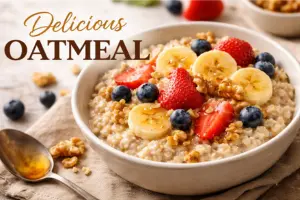
Spoon the oatmeal into a bowl and add your toppings while it is still hot. Fresh banana, berries, chopped nuts, seeds, or a spoonful of nut butter work especially well. If you want more sweetness, drizzle a little extra honey or maple syrup over the top.Serve right away for the best texture. Freshly made oatmeal is warm, creamy, and most enjoyable when eaten as soon as it is prepared.
Variations in the Recipe
One of the best things about oatmeal is how easy it is to change. Once you know the basic method, you can create many different bowls with very little effort. Oatmeal also works well in hot, cold, sweet, and even savory versions. Quaker and other major recipe sites also feature many oatmeal styles beyond a plain breakfast bowl, including overnight oats and savory options.
Banana Cinnamon Oatmeal
For a naturally sweet and comforting bowl, add half a mashed banana during the last 2 minutes of cooking. Then top with sliced banana and a small sprinkle of cinnamon before serving. This version is soft, warm, and especially good for busy mornings.
Apple Oatmeal
Peel and chop half an apple into small cubes. Cook it in the saucepan with the liquid for 2 to 3 minutes before adding the oats. This softens the apple slightly and gives the oatmeal a gentle fruity flavor. Finish with cinnamon and a few chopped walnuts.
Berry Oatmeal
Stir a small handful of blueberries or chopped strawberries into the oatmeal during the final minute of cooking. This adds freshness and color. A spoonful of yogurt on top also works beautifully here.
Nut Butter Oatmeal
Stir 1 tablespoon of peanut butter or almond butter into the cooked oatmeal just before serving. This makes the bowl richer, creamier, and more filling. Add sliced banana on top for a simple combination that always works well.
Overnight Oats Version
If you want a no-cook option, overnight oats are a great choice. A common starting point is equal parts rolled oats and milk, often with yogurt added for extra creaminess.To make one serving:
- 2 to 4 tablespoons yogurt
Mix everything in a jar, cover, and chill overnight. In the morning, stir and enjoy cold, or warm it briefly if you prefer.
Mistakes to Avoid
Oatmeal is simple, but a few common mistakes can leave it too thick, too thin, too bland, or too sticky. Knowing what to avoid makes a big difference.
Using the Wrong Oat-to-Liquid Ratio
This is the most common problem. Too little liquid makes oatmeal thick and heavy before the oats fully soften. Too much liquid leaves it watery. Rolled oats and quick oats do not use exactly the same amount of liquid, so it helps to choose one type and follow the correct ratio for that type.
Cooking on Heat That Is Too High
High heat may seem faster, but it often leads to uneven cooking. The liquid can reduce too quickly, the milk can boil over, and the bottom can stick before the oats are properly cooked. A gentle simmer gives a far better result.
Skipping the Salt
A tiny amount of salt does not make the oatmeal salty. It makes the flavor fuller and more balanced. Without it, even sweet oatmeal can taste flat.
Adding All Toppings Too Early
Fresh fruit, nuts, and seeds are often better added at the end. If you cook them for too long, fruit may become too soft and nuts may lose their crunch. Keep most toppings for the final step unless the recipe specifically needs them cooked.
Overcooking the Oats
Oatmeal continues to thicken even after the heat is off. If you cook it until it looks very thick in the saucepan, it may become too stiff in the bowl. Turn off the heat when it is creamy and slightly loose, then let it rest for a minute.
Helpful Tips for the Best Homemade Oatmeal
Great oatmeal does not require fancy ingredients. It simply benefits from a few smart habits in the kitchen.
Choose Rolled Oats for the Best Balance
Old-fashioned rolled oats are a strong choice when you want a bowl that is creamy but still has some texture. They are one of the most widely recommended options for classic stovetop oatmeal.
Stir Often, But Not Constantly
A few good stirs during cooking are enough. You do not need to stir every second. Stirring every now and then keeps the oats from sticking and helps them cook evenly.
Use Milk for More Richness
If you want oatmeal that feels more comforting and dessert-like, use milk. If you want something lighter, use a mix of water and milk. This is a simple change, but it affects the texture in a big way.
Taste Before Serving
Do not guess the sweetness. Taste the oatmeal once it is cooked and then adjust. A little more honey, an extra pinch of cinnamon, or one more spoon of milk can make the bowl just right.
Serving Ideas
Once the oatmeal is ready, you can serve it in many ways depending on what you have at home and what mood you are in.
Easy Topping Combinations
- Banana, honey, and cinnamon
- Apple, walnuts, and brown sugar
- Berries, yogurt, and chia seeds
- Peanut butter and sliced banana
- Raisins and a little extra milk
Make It Feel More Special
Serve the oatmeal in a warm bowl and finish it with toppings placed neatly on top rather than mixing everything in at once. This gives the bowl better texture and makes it more inviting to eat.
FAQs
These are some of the most common questions home cooks ask when making oatmeal.
Can I make oatmeal with water instead of milk?
Yes, you can. Water gives a lighter bowl, while milk gives a creamier and richer result. A mix of both is also a great option.
Which oats are best for this recipe?
Old-fashioned rolled oats are best for this stovetop method because they cook fairly quickly and still keep a good texture. Quick oats cook faster, but they become softer and need a little less liquid.
How do I make oatmeal thicker?
Let it cook a little longer over low heat, stirring occasionally. You can also let it rest for 1 minute after cooking because oatmeal naturally thickens as it sits.
How do I make oatmeal thinner?
Add a splash of warm milk or water and stir until the texture loosens. Do this a little at a time so it does not become watery.
Can I make oatmeal ahead of time?
Yes. You can make it ahead and store it in the fridge. Reheat it gently with a little milk or water to bring back the creamy texture. Overnight oats are also a convenient make-ahead option.
Can I use quick oats instead of rolled oats?
Yes, but reduce the liquid slightly and shorten the cooking time. Quick oats soften faster and can become mushy if cooked too long.
Conclusion
Oatmeal may be simple, but when it is made with care, it becomes one of the most comforting and reliable foods you can cook at home. With the right ingredients, the correct ratio, and a gentle step-by-step method, you can make a bowl that is creamy, flavorful, and easy to adapt to your own taste. Start with this basic recipe, try a few toppings or variations, and you will always have an easy homemade meal you can count on.For more comforting and tasty food ideas, check the homepage and explore more homemade recipes.